
What types of braces are available?
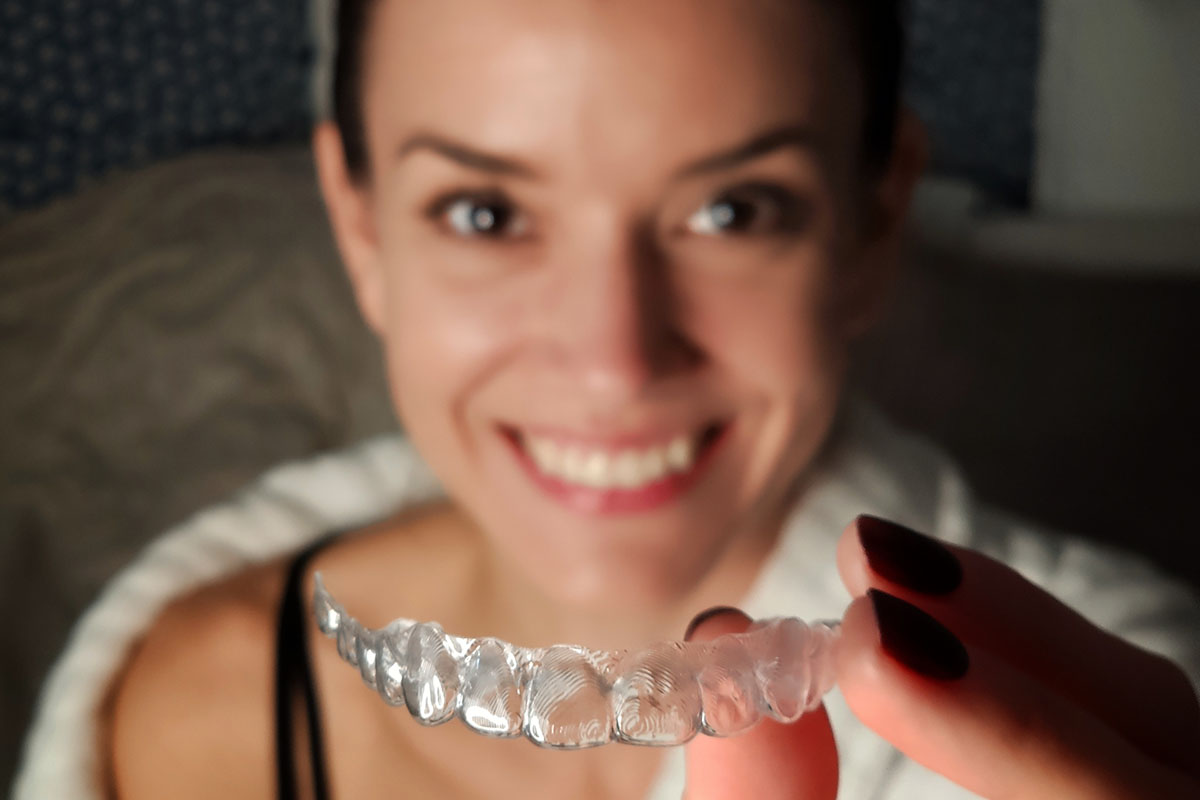
In the world of orthodontics, there are many types of devices available to solve various dental problems. The selection ranges from traditional fixed braces, which consist of metal wires and brackets that are permanently attached to the teeth, to virtually invisible, removable, transparent plastic aligners, which offer a comfortable and discreet alternative. There are also lingual braces, which are placed on the inner surface of the teeth, making them completely hidden from view.
When might orthodontic treatment be necessary?
Orthodontic treatment is usually necessary when there are dental problems such as crowded teeth, excessive gaps between teeth, bite abnormalities such as an overbite or underbite, or a crossbite. These problems can raise not only aesthetic concerns, but can also affect speech, chewing, and overall oral hygiene.
When should I see a dentist?
If you have concerns about the position of your teeth or your bite, it is worth consulting a dentist or oral surgeon. The first signs include difficulty chewing, misaligned teeth, or if the position of your teeth affects your self-confidence. Early consultation can prevent complex problems later on.
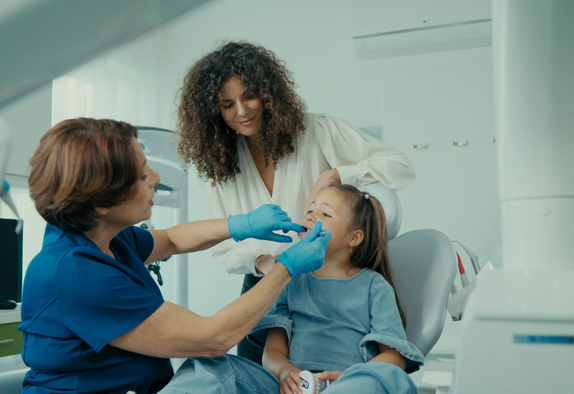
It is important to emphasize that it is advisable to come in for an orthodontic consultation at the age of 6-7, as this allows us to monitor and follow the development of the jawbones, which is important for the timely treatment of certain disorders.
What is the HappySmile Invisible Braces System?

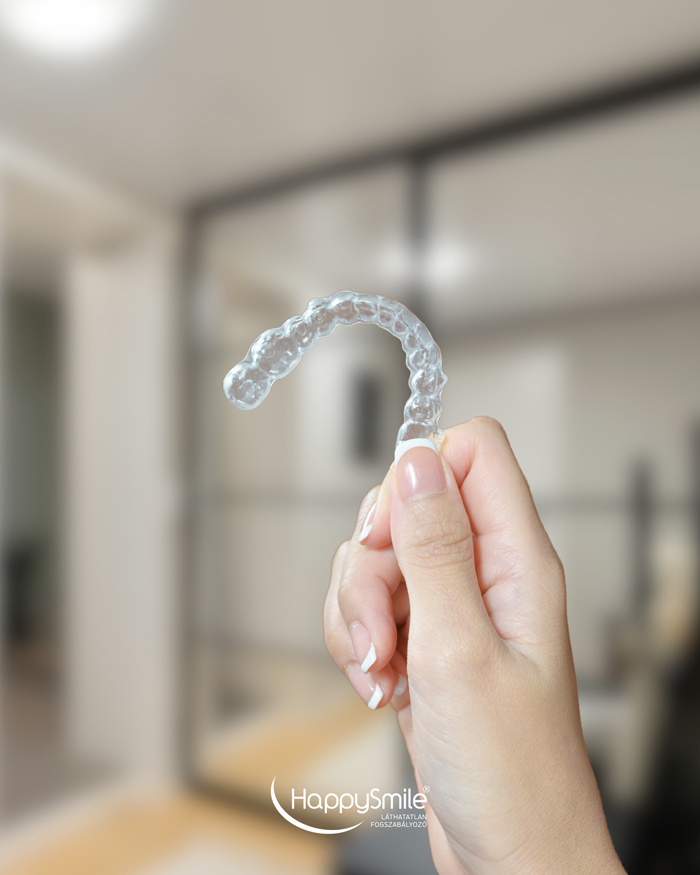
HappySmile Invisible Braces is a braces treatment that is the fastest growing and most widely used technique in orthodontics, and we can rightly say that it is the future of orthodontics. At first glance, it may seem surprising that a lightweight, transparent plastic aligner can move teeth in the desired direction. We will show you how it works and the science behind it!
Medicine
Your orthodontist, who is experienced in braces treatment, communicates with our digital laboratory to establish the correct diagnosis of the status of your teeth. We determine the steps and auxiliary devices for virtual tooth movement so that the treatment plan achieves its goal as quickly and accurately as possible.
Computer technology
Production is based on high-tech 3D technology. CAD/CAM technology is an indispensable part of design and manufacturing, enabling the digitization of teeth and the design of the desired condition using 3D graphics software (3Shape).
It is a common misconception that this technique – braces – is only a compromise solution and is only suitable for simpler tooth movements. Today, braces offer a comprehensive solution for a wide range of dental abnormalities.
How does it work?
Raw material
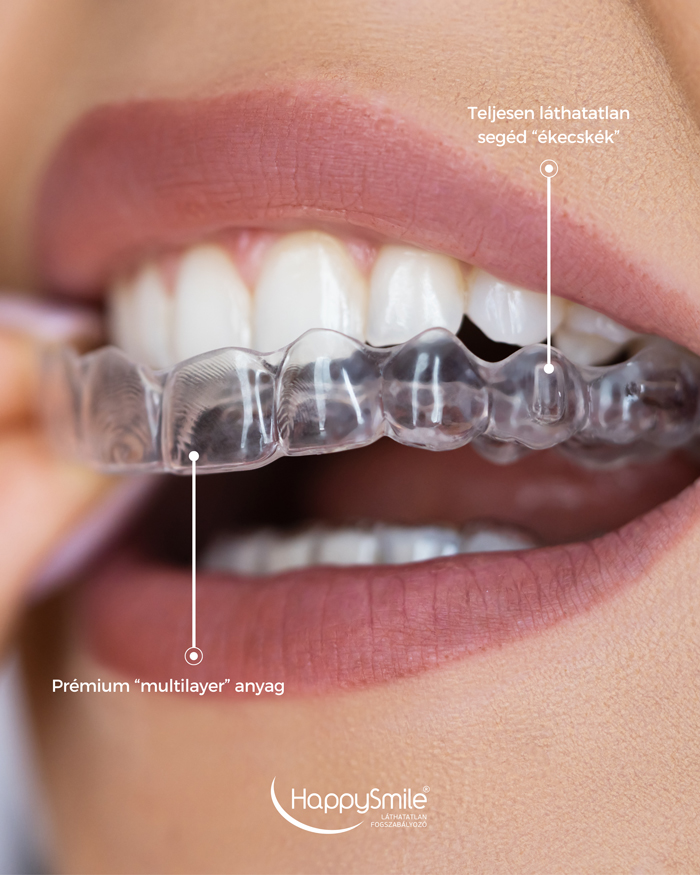
The raw material used for HappySmile aligners is transparent, biocompatible, polyurethane multilayer (multi-layered), flexible Zendura FLX, which is the most effective raw material for aligner-type orthodontic appliances. Traditional PET or PET-G aligner materials attempt to move the teeth with greater force at higher temperatures (at mouth temperature) and then lose much of their strength during wear. In contrast, thanks to its three-layer design, Zendura FLX resists the opposing teeth and gently transfers the force required for the planned movements over a long period of time. Its two outer layers ensure stability, while the flexible, elastic layer in between ensures a precise fit to both the teeth and the attachments.
The system
This aesthetic and hygienic orthodontic system works much faster and more accurately than traditional braces attached to the teeth.
- During the initial consultation, the treating dentist takes an impression or intraoral scan of your teeth and sends it to the Happy Smile laboratory.
- Using extremely accurate and efficient graphics software (3Shape), specialists plan the desired outcome in advance.
- During the planning process, preliminary analyses and calculations are performed on the dental arches. For example, by placing them in a virtual jawbone, the chewing function can also be predicted in advance.
- The virtual tooth movement plan determines how many aligners are needed for the entire treatment to achieve the desired result. This also determines the cost of treatment in advance, so there are no unexpected expenses throughout the entire period.
- Your dentist will receive a 3D animation of the treatment plan, allowing them to form a professional and aesthetic opinion, while you can form an aesthetic opinion about your planned smile.
The aligners must be worn for 20-22 hours a day for fast and effective treatment, and they are virtually invisible and imperceptible.
In what cases can it be used?
- To close gaps between teeth
- To resolve various types of tooth crowding
- To treat certain degrees of dental arch narrowing
- To resolve open bites and overbites
- To treat crossbites.
Experience shows that it is particularly effective in the latter case – crossbite – because it removes the teeth from the occlusal position that hinders treatment.
The benefits of HappySmile invisible braces for you
Discreet
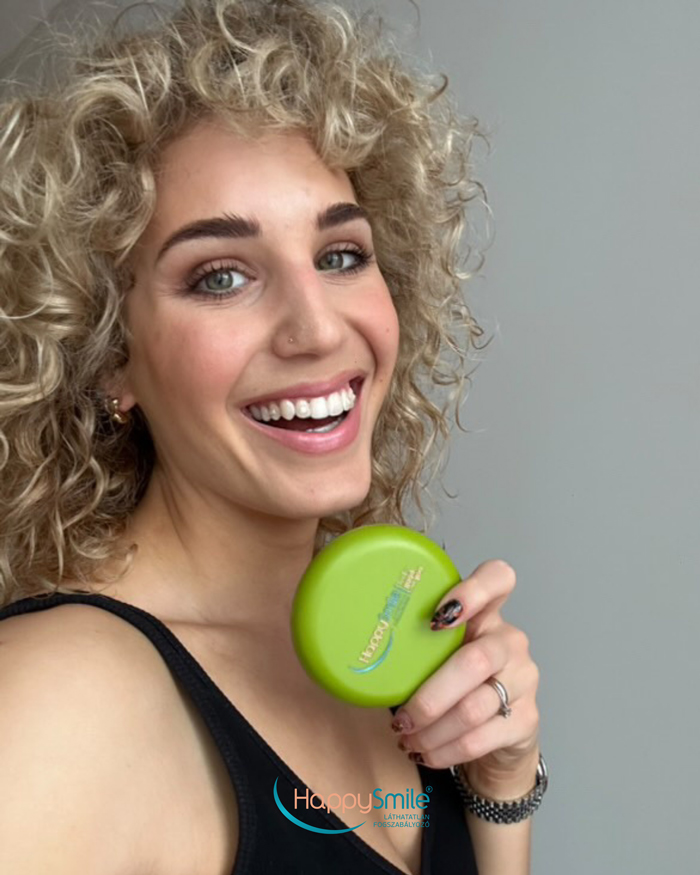
As the name suggests, the braces are virtually invisible, so they can be worn during business meetings or when speaking in front of people. Their aesthetic design means you can smile confidently at any time without feeling self-conscious. Our patients report that their conversation partners do not usually notice that they are wearing braces.
Practical
Unlike traditional orthodontic procedures, HappySmile Invisible Braces can be used during sports or any other activity without risk of injury.
Predictable
The entire treatment is planned in advance on a computer in three dimensions. The splint that has fulfilled its role can be replaced every two weeks at most, depending on the case and cooperation, or even every 10 days or every week. In each case, the splint that follows builds on the previous one but allows for further movement until the planned end result is achieved.
Hygienic
The aligner is removable and can be cleaned (by brushing with toothpaste and a toothbrush, or soaking in orthodontic cleaning tablets). Throughout the entire treatment, teeth cleaning is performed according to the usual routine, so there is no need to change your brushing habits. This means that you can continue to eat as usual until the end of the treatment and do not have to give up your favorite foods.
Fast
To achieve fast and accurate results, it is recommended that you wear the transparent aligners for 20-22 hours a day, and they will move your teeth in the desired direction in a very short time.
No side effects
Traditional braces carry the risk of discoloration and tooth decay due to the difficulty of cleaning around the attached brackets. With HappySmile aligners, this risk does not exist if you maintain your dental hygiene habits and use dental floss regularly.
Effective
During tooth movement designed by the CAD-CAM program, when the aligners are replaced, the new aligners are able to apply force to your teeth with extreme precision.
How much does orthodontic treatment cost?
The price of orthodontic treatment depends on the type of appliance you choose.
Dental specialist

Dr. Lili Ács
Dentist, orthodontist, PhD
Frequently Asked Questions
How long does orthodontic treatment usually take?
The duration of treatment depends largely on the individual case of the patient, usually ranging from 6 months to several years. The duration is influenced by the degree of tooth displacement and the treatment goal.
Is there an age limit for starting orthodontic treatment?
There is no upper age limit for starting orthodontic treatment. Although treatments often start in childhood or adolescence, more and more adults are choosing to improve their teeth alignment and overall oral hygiene through orthodontics. The important thing is that the gums and teeth are healthy, so treatment can be effective at any age.
Does wearing braces hurt?
You may feel a slight pain or discomfort when you first have your braces fitted, but this usually subsides within a few days.
How do I clean my braces?
Cleaning your braces thoroughly is vital for maintaining oral hygiene. Use a soft-bristled toothbrush and a special orthodontic brush to clean the areas between the brackets and wires, and floss or special tools to clean the areas between the teeth.
What are the possible side effects of orthodontics?
You may experience temporary speech problems, mild gum irritation or tightness in your teeth. These symptoms usually disappear quickly as you get used to the braces.
What should I not eat or drink while wearing braces?
Avoid eating very hard foods (e.g. nuts, hard candies) and sticky foods (e.g. caramel), as these can damage the braces. It is also recommended to avoid drinks with too much sugar, as these can increase the risk of tooth decay.
How often should I visit the dentist during orthodontic treatment?
It is usually necessary to go for a check-up every 4-6 weeks so that the dentist can check the progress of the treatment and adjust the braces if necessary.
Can I get used to wearing braces?
Yes, most people quickly get used to wearing braces. After the initial discomfort, patients usually no longer feel embarrassed or uncomfortable.
What are the benefits of orthodontics?
Orthodontics improves the aesthetic appearance of teeth, helps achieve healthy biting and chewing, improves oral hygiene and can reduce the risk of developing tooth and gum problems in the long term.
Can I exercise while wearing braces?
Yes, you can play sports while wearing braces, but it is recommended that you take precautions to avoid injury. In particular, for contact sports, it is recommended to wear a special protective helmet or mouth guard to protect the braces and reduce the risk of injury. By providing adequate protection, sports activities can continue uninterrupted during the period of orthodontic treatment.